
GARMENT DYED vs PIECE DYE
February 14 2024 – Ivan Rosario

Most factories dye fabric before cutting it. It's efficient — but it flattens the vibe. When you garment dye, you don't just color clothes. You build character.
We make 100% cotton essentials, garment-dyed after sewing — through our Los Angeles network. Color settles into stitching, shadows the edges, and brings each piece to life. That's not "just production." That's finishing with intention. Learn about our LA manufacturing →
Why Garment Dyeing Unlocks Premium Cotton
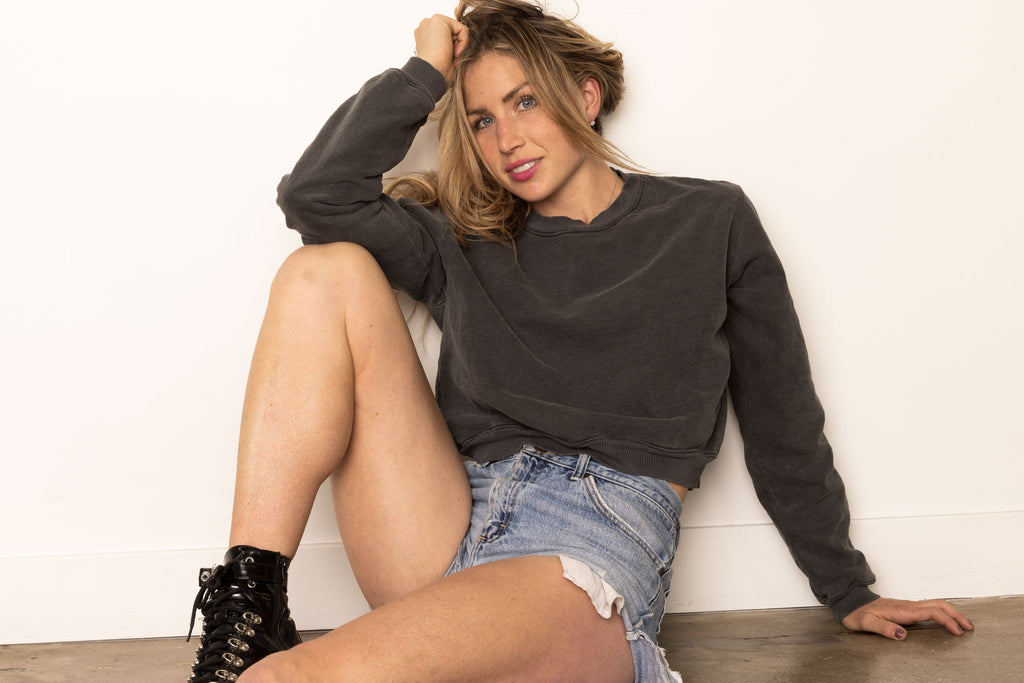
Garment dyeing happens after the garment is complete — cut, sewn, then washed and immersed in a dye bath so color penetrates the full garment, stitching included. The result is unmistakable: soft, dimensional, and lived-in from day one.
The key detail most people miss: garment dye is a method that works best on cotton programs built for it. If you're asking about 80/20 cotton-poly or polyester styles, you're usually thinking about pre-dyed fabric (mill-dyed yardage) — not garment dye.
Here's the reality: polyester can be dyed as fabric (mill-dyed), but it does not take cotton-style reactive garment dye the same way. Blends also won't dye evenly in a single bath — which is why our garment-dyed programs focus on 100% cotton fleece, French terry, and jersey finished with enzyme + silicone washes for a clean, premium hand.
The underrated advantage — color freedom without massive yardage
If you want fabric dyed as yardage (piece dye / mill dye), mills typically require large minimums — often around ~1,000 yards per color plus dye fees — because the mill has to run a full dye lot. Garment dye is how serious brands get Pantone-level color options without committing to massive fabric yardage per color.
Benefits of Garment Dyeing
- Softness that feels worn-in — enzyme + silicone finishes smooth the hand and reduce pilling.
- Visible dimension — seams and rib absorb color differently, adding natural depth.
- Pantone TCX targeting — build a consistent color identity across drops.
- Drop-friendly planning — multiple colors without mill-level yardage per color.
- Instant premium vibe — that favorite-piece look from day one.
See how we build garment-dyed samples — Pattern & Sample Making →
Piece Dye vs Garment Dye — What "Consistent" Really Means
Piece dyeing (often called mill dyeing) colors fabric rolls before cutting and sewing. It's the standard route for large-scale programs where uniform color and predictable replenishment are the priority.
When you're not garment dyeing, your color ask becomes a yardage ask
If you want a very specific color in a fabric like an 80/20 fleece or a poly blend, that usually means ordering pre-dyed yardage in that color. In most cases, mills won't run a custom color dye lot unless the yardage supports it — often ~1,000 yards per color plus dye fees.
When Piece Dye Makes Sense
- Uniform, flat color across large programs.
- Efficient at scale for inventory-based models.
- Great for synthetics & blends when sourcing pre-dyed yardage.
For Modern Brands — Garment Dye Is a Smarter Way to Build Color
Color & Finish
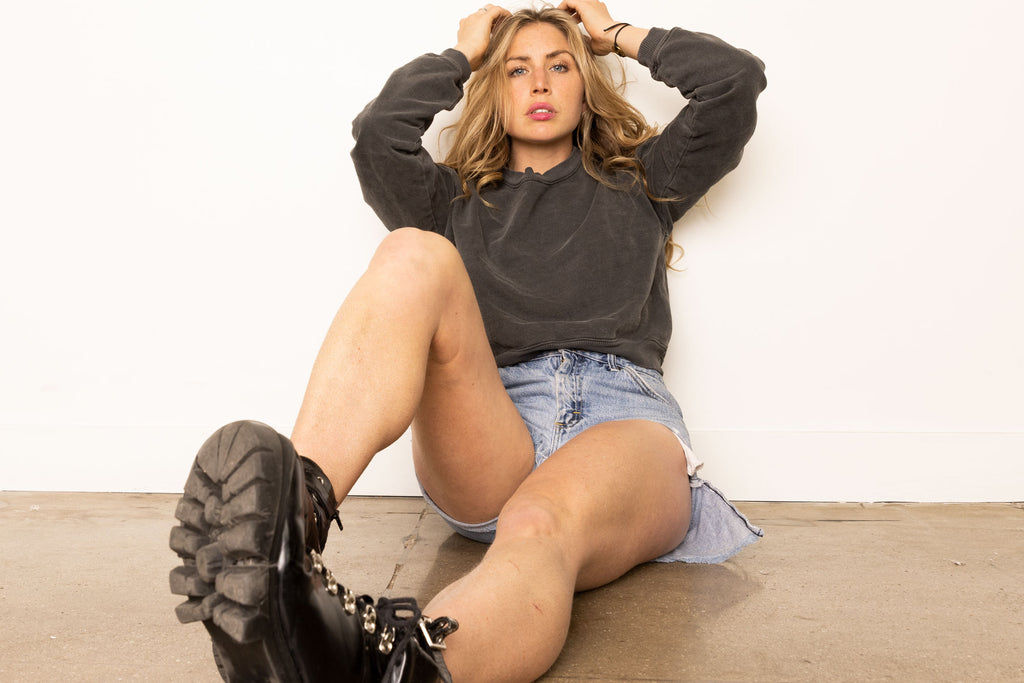
- Garment-Dyed: Tonal variation around seams adds depth and character — especially on heavyweight cotton.
- Piece-Dyed: Flat, even color — great for large uniform programs and pre-dyed yardage workflows.
Quantity — the honest version
50 pieces per style when 2+ styles share the same fabric and dye lot. Ideal for matching sets — hoodie + sweatpant in the same color.
150 pieces per style for brands ready to improve margins and scale their production program.
300+ pieces per style for established brands running active productions. Contact for quote.
Practical color planning — what most brands actually need
With garment dye, we can typically support multiple colors without mill-level yardage:
- Fleece or French terry: up to 3 total colors across the program
- Jersey: up to 2 total colors across the program
This is exactly why garment dye works so well for drop-based brands — real color options without a full fabric dye lot per color.
Aesthetic
- Garment-dyed: Premium, dimensional, lived-in look from day one.
- Piece-dyed: Clean, uniform, traditional.
Creators Don't Copy Color — They Own It (Pantone TCX)
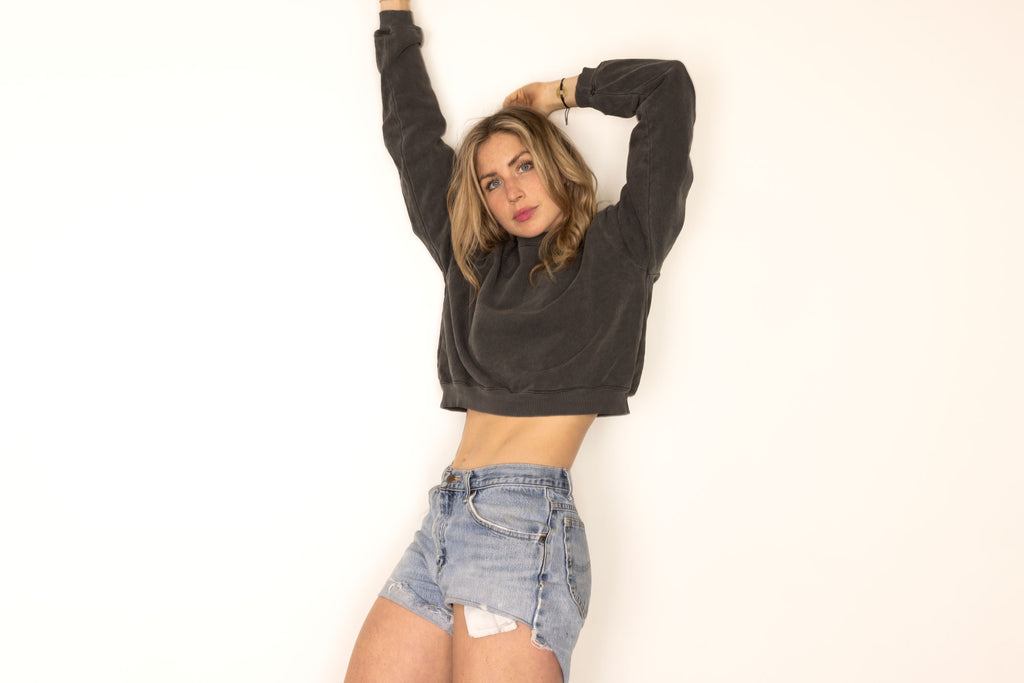
Switch palettes between drops without committing to massive dyed yardage per color. With Pantone TCX targeting, your brand stays consistent without feeling repetitive. Every color we produce is matched to your exact Pantone TCX target — dyed in our LA dye houses — so reorders hit the same shade every time.
Launch your private-label essentials — custom-dyed and LA-made →
How We Build Through Our Los Angeles Network
- Fabric focus: 100% cotton programs built for garment dye — fleece, French terry, jersey.
- Production tiers: Capsule Run from 50 pieces per style (2+ styles sharing fabric); Growth Run from 150 pieces; Collection Run 300+ pieces.
- Finishing: Enzyme + silicone wash for softness and pilling control.
- Timeline: ~2 weeks for patterns + garment-dyed PPS; then ~4–5 weeks for production after approval.
- Ethical LA production: SB62-aligned, fully local manufacturing.
Shrinkage & tolerances: heat + wash in garment dye typically leads to ~3–5% shrinkage; we pattern with this in mind and work within standard apparel tolerances (about ±½″–¾″).
Final Comparison — Which Dye Method Fits Your Brand?
| Feature | Garment Dye | Piece Dye (Mill-Dyed Fabric) |
|---|---|---|
| Softness | ✓ Very soft — enzyme + silicone finishing included | ~ Can feel firmer unless garments are post-washed |
| Color Control | ✓ Strong Pantone TCX targeting without buying dyed yardage per color | ✓ Strong Pantone matching in bulk dye lots |
| Tonal Detail | ✓ Visible stitch depth and natural shading | ✗ Flat, even color throughout |
| Minimums | ✓ Capsule Run from 50 pcs/style (2+ styles sharing fabric) | ~ Typically ~1,000 yards per color + dye fees |
| Process | ✓ Dyed after cut and sew | ✓ Dyed before cutting |
| Aesthetic | ✓ Premium, vintage, dimensional look | ✓ Clean, consistent, traditional |
| Best For | Drop-based brands, DTC labels, creator collections | Large-scale uniform programs, inventory models |
FAQ — Garment Dye vs Piece Dye
Can polyester be garment dyed?
Polyester can be dyed as fabric (mill-dyed), but it does not take cotton-style reactive garment dye the same way. If you want a specific color in poly or an 80/20 blend, that typically means ordering pre-dyed yardage — and mills usually require large minimums (often ~1,000 yards per color + dye fees). Garment dye is how brands get strong color options without that yardage commitment — which is why our garment-dyed programs focus on 100% cotton.
Will my garment shrink?
Garment dyeing involves heat and wash, so expect about 3–5% shrinkage. We pattern with this in mind and work within standard tolerances (±½″–¾″).
What are your minimums?
Our Capsule Run starts at 50 pieces per style when two or more styles share the same fabric and dye lot — ideal for matching sets like a hoodie and sweatpant in the same color. Our Growth Run starts at 150 pieces per style and Collection Run at 300+ pieces per style.
How long does it take?
Approximately 2 weeks for patterns and a garment-dyed pre-production sample. After approval and fabric readiness, production takes 4–5 weeks. Total timeline is typically 6–7 weeks.
Do I need a tech pack?
No. Send a reference garment you already love — we'll replicate the fit and construction using our Replica-First approach, then provide a full tech pack during development.
Are you currently selling clothing and ready to invest in LA production?
We work best with independent brands, creators, and boutique labels that are already selling and ready to upgrade from blanks or overseas production. If you're launching your first collection, our Pre-Sale Program is designed for you — sell first, produce after.
Ready to start your color story in Los Angeles?
Tell us about your project — 100% cotton, garment-dyed, SB62-aligned production through our LA network. Built for brands already selling and ready to scale.
Prefer email? hello@essentialsmade.com
0 comments